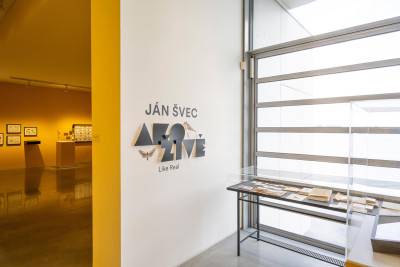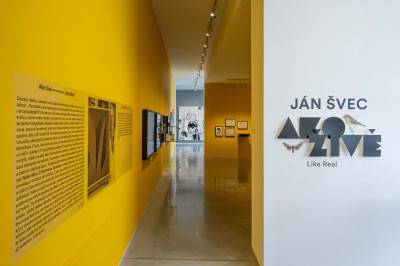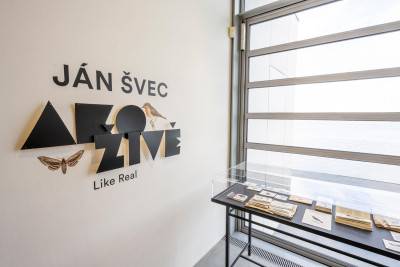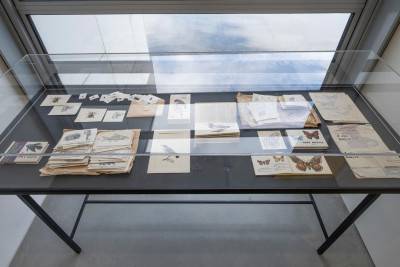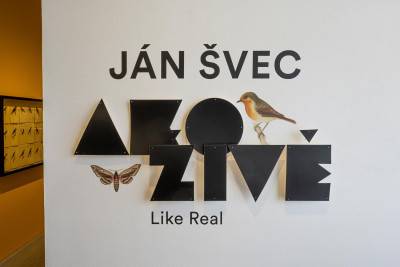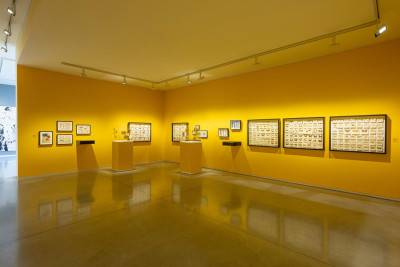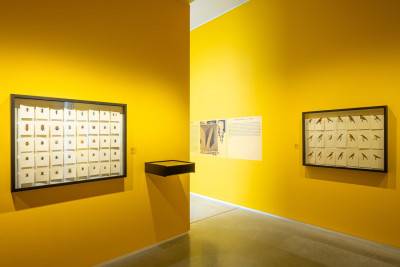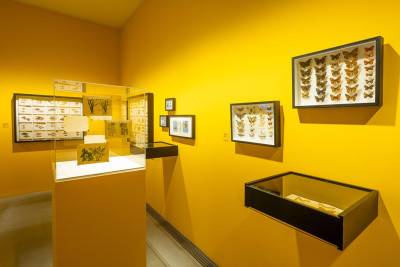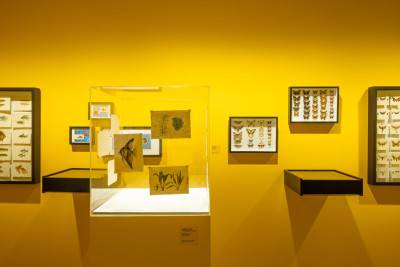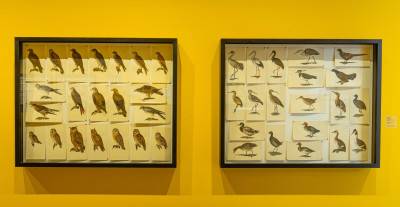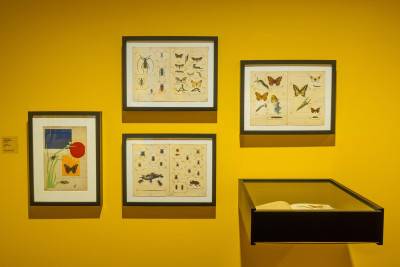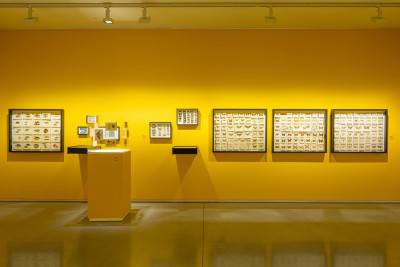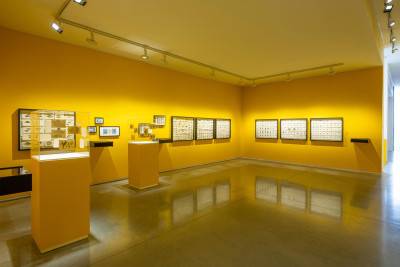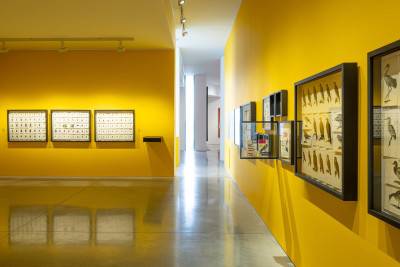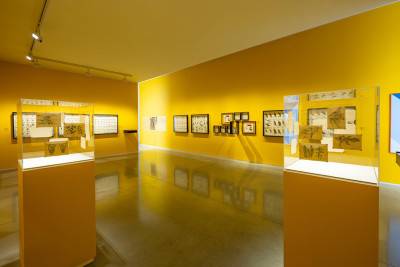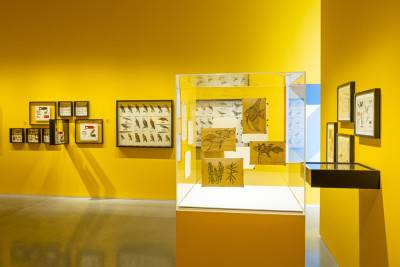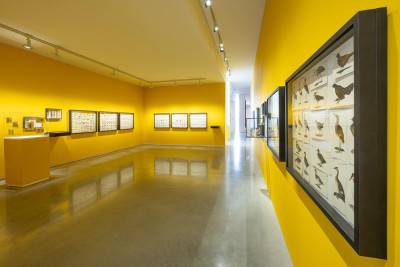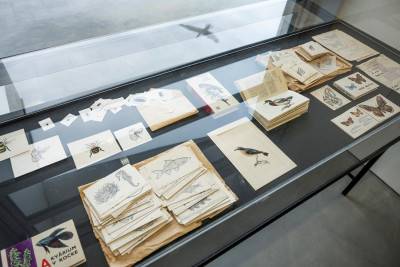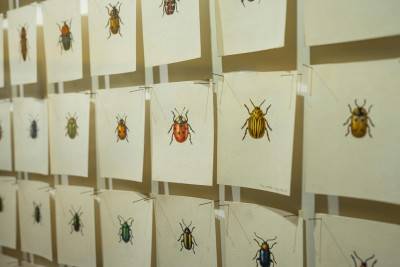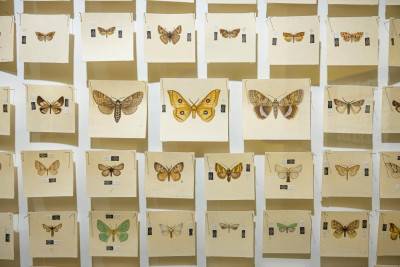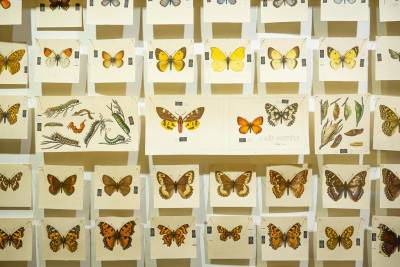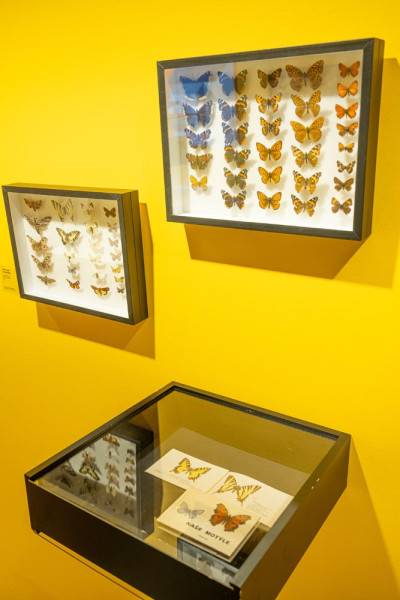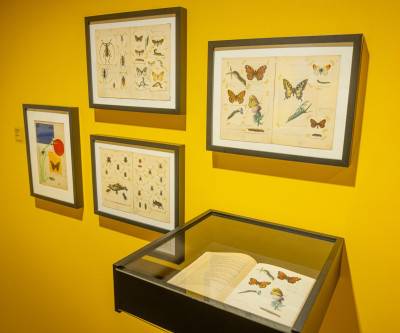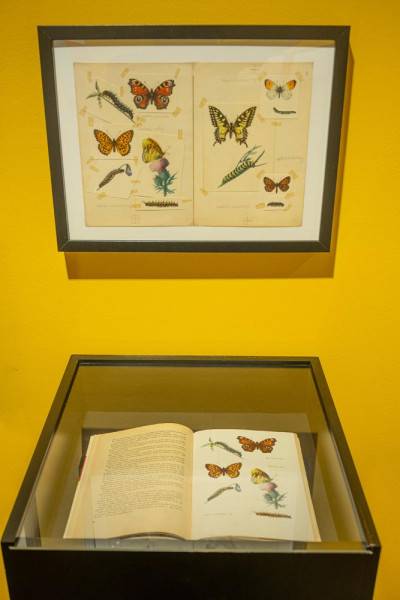
Drawings of animals, plants, stones, bones elaborated (literally) to micrometers, powerful in their detail... Do you remember how fascinating they were to you when you browsed through encyclopedias as a child? You learned what all those leaves, footprints, butterfly wings, and bird feathers or even aquarium fish looked like. You probably didn't think back then that someone had spent hours and hours creating those almost photographic miniature works. He studied, tested the color, precisely searched for structures, sought out the most accurate spectra to turn 3D into 2D. They are so obvious that we don't even realize the virtuosity with which they were created. Acrylic, ink, watercolor, graphite... He worked with many techniques. Ján Švec’s son, Andrej had this to say about how his father worked: "He did most of his illustrations on a scale of 1:1 to the original model. Imagine, for example, a butterfly, the hairs on its body or antennae are a tenth of a millimeter, and my father was able to paint them so thin. However, this meant that he sat over the picture for hours and often worked under a magnifying glass."
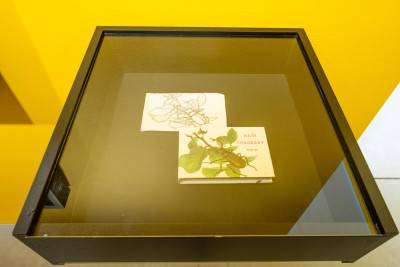
His huge production of scientific illustrations for children includes Naše vtáky (Our Birds), Z ríše hmyzu (From the Insect Kingdom), and Akvárium v kocke (Aquarium in a Nutshell). Many of these books are still passed from library to library today. They are often taken out for just a moment - as children and parents enjoy finding out what they actually saw in the forest, examining small differences. Or placing tracing paper on the pictures and starting to trace them. Exactly according to the artist, layering the background, filling it in with anilines and even framing it with ink. These illustrations are so obvious that we don't realize their virtuosity. They actually came about by accident. Some titles from the Mladé letá publishing house had square formats, but they were cut from rectangular sheets, and thus waste was created, which reached a size of approximately 10.5 centimeters by 15 centimeters. However, the publishing house did not want to waste it and someone thought that these remains could become the basis for small atlases with very precise, even scientific illustrations.
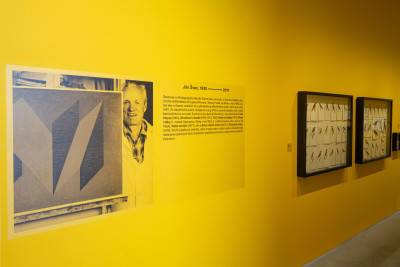
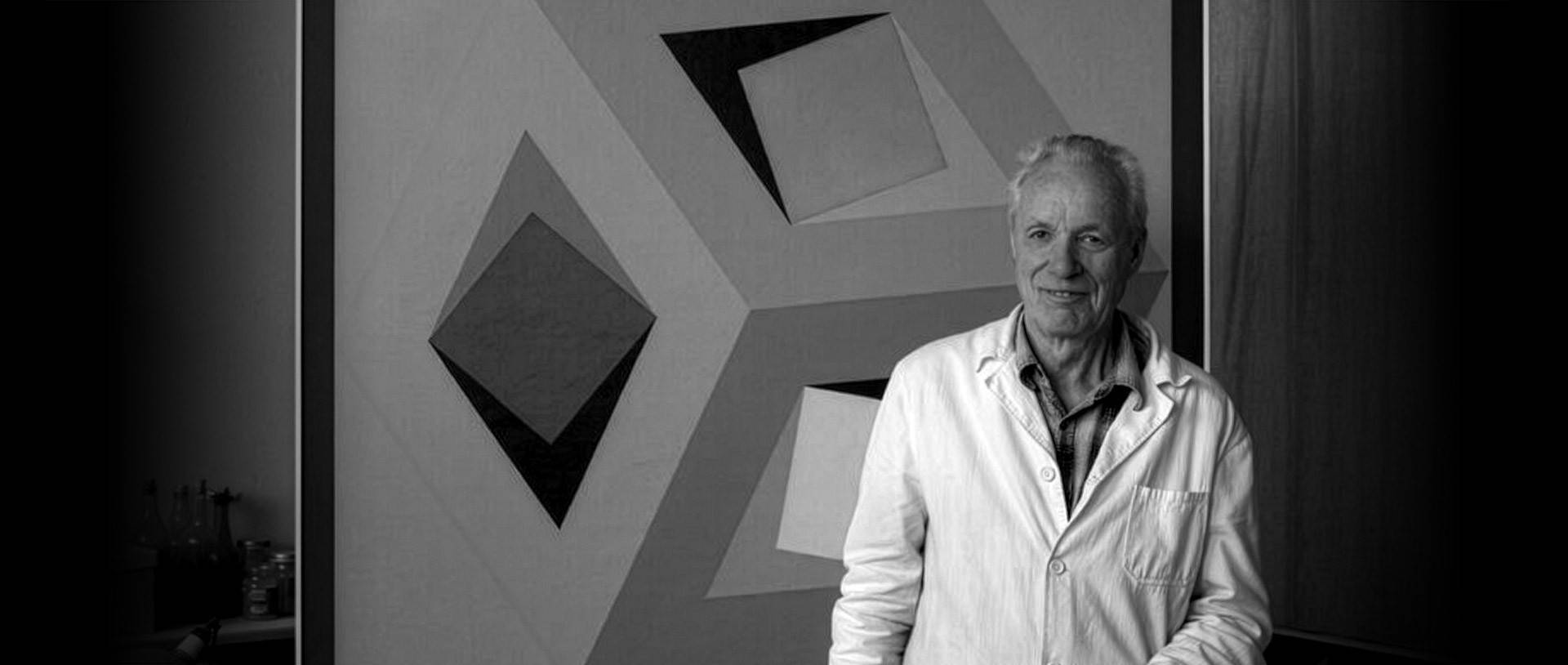
Ján Švec
1930, Bánovce nad Bebravou – 2017, Bratislava
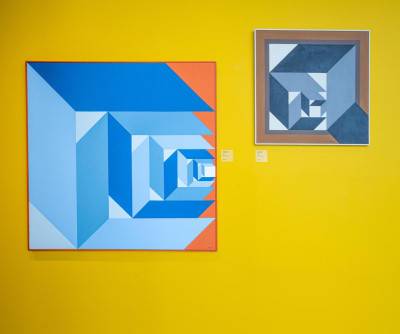
studied at the Faculty of Education of the Slovak University under Gustáv Mallý, Bedrich Hoffstädter, and Eugen Nevan. In 1956, almost immediately after graduating, he joined the Mladé letá publishing house as an art editor and worked there until 1991. During this time, he edited and also graphically edited dozens of books. His specialization became illustrating educational literature, including the books Z ríše hmyzu (From the Kingdom of Insects, 1964), Akvárium v kocke (Aquarium in a Nutshell, 1968, 1973, 1982), Naše chrobáky (Our Beatles, 1973), Naše vtáky (Our Birds, 1st volume: Spevavce, dátle a iné (Songbirds, Woodpeckers, and Others, 1963, 2nd volume: Dravce, sovy, kury a iné (Birds of Prey, Owls, Fowls, and Others, 1964), and Naše mothýle (Our Butterflies, 1977), as well as Erby našich miest (Coats of Arms of Our Towns and Cities, 1970) and Cechové znaky (Gilds’ Signs and Emblems, 1975). He also created postage stamps. His free painting – powerful works full of optical illusions, composed of clear shapes, influenced by Constructivism, is still little known.